- January 20, 2026
- AD Staff Writer
- News
When Senior Centers Become Home
In 2025, the Aging & Disabilities Department’s Community and Senior Centers served as second homes for many older adults, places where they could meet friends, get a meal, and learn new skills.
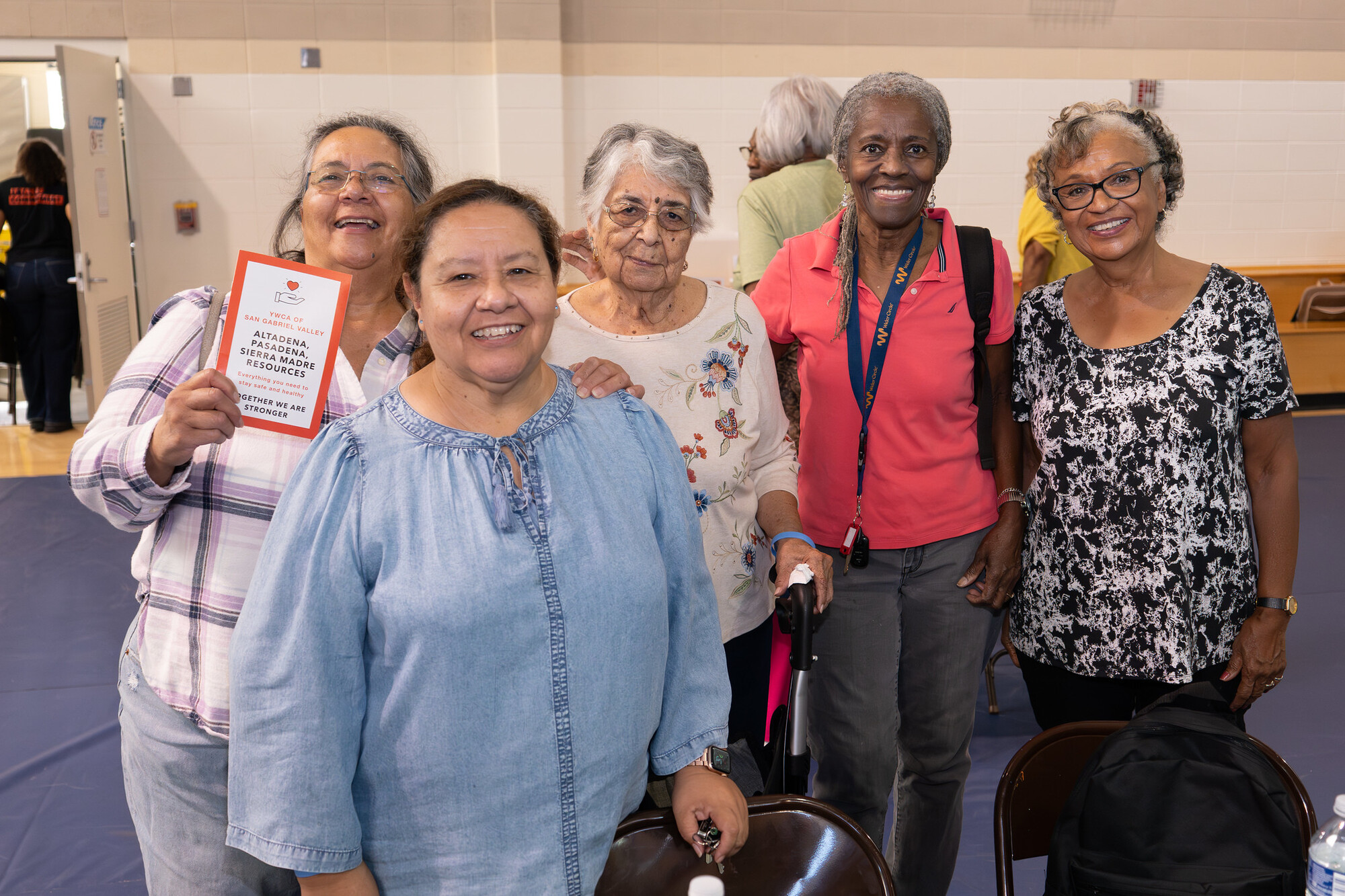
It was also a year that saw the Aging & Disabilities Department rally to Altadena during and after the Eaton Fire, offering reassurance to the community’s older adults that they would not have to navigate uncertainty alone. The fire destroyed homes, businesses, and community buildings, including the Altadena Senior Center.
“Using a list of active center members, AD staff made hundreds of calls to make sure the older adults the center served were okay,” said Billy Yeung, AD’s Program Manager overseeing its Community and Senior Centers.
“They were very glad we called,” Yeung said. “Some folks did need some help, so we were able to direct them to resources.”
The loss of the center was devastating. Relationships—almost family-like—had been built with the older adults who came through the doors for programming activities and special events.
“It was not just the clients who were displaced; it was also the staff members,” Yeung said. “These are folks who have been going to the same place for years now, Monday to Friday, 8 to 5, and sometimes on weekends or in the evenings for special events. This was their second home.”
“One Altadena senior said the calls made her feel like someone still remembered her,” he added.
Within a few weeks, AD set up a temporary center using space provided a couple of days a week at the La Cañada Flintridge Library.
Time and space were limited, but the interim site offered a place for people to gather, check in on friends and neighbors, and attend workshops on topics like property assessment, tax collection, and avoiding scams.
In the spring, working with L.A. County’s Parks & Recreation Department (Parks), a satellite senior center was established at Loma Alta Park. Beyond recovery, AD also made major strides in connection and access through programs like the Better Connection for Older Adults (BBCOA), the reopening of the Asian Community Center in Carson, and the Volunteer Income Tax Assistance (VITA) program.
One of 2025’s success stories was BBCOA, which provides free iPads and training for adults 60 and over, and adults 18 and older with disabilities. More than 400 graduates completed an eight-week course on how to use technology to stay connected with family, access healthcare, and safely engage with the digital world. Along with iPads, graduates receive a two-year data plan to ensure they remain connected.
“There is a pretty wide digital gap out there, not just in terms of skills, but also in terms of connectivity,” Yeung said. “What we want to do via the connectivity side is to build a digital oasis throughout this patch of vast desert that is L.A. County.”
The program is funded by the American Rescue Plan Act (ARPA), a COVID-relief fund. Although that funding is near its end, AD will continue to provide training classes in both Apple and Windows operating systems.
Another 2025 highlight was the November reopening of the Asian Community Center in a new, more accessible location in a retail strip mall in Carson. The previous location, shared with the Department of Mental Health, was in an industrial area with limited parking. The new site has more parking, is close to parks and public transportation, and includes a large multipurpose room for congregate meals, classes, and events like movie nights.
In 2025, financial stability for residents was enhanced through the Volunteer Income Tax Assistance program at select centers. More than 380 individuals received free tax-prep support, allowing access to benefits such as the Earned Income Tax Credit and Child Tax Credit.
Addressing food insecurity, AD has provided more than 250,000 pounds of food through its pantry program since July 2025. Adults over 60 are also eligible to receive free meals through the Congregate Meal Program at select centers.
AD’s centers continue to be vibrant homes away from home where older adults can gather, socialize, and rebuild community after a year of disruption, Yeung noted. “After a year of disruption and rebuilding, the centers are once again places where older adults belong.”
“Why do folks gravitate toward our centers? Because that’s where their friends are,” Yeung said. “It’s like being in grade school—your friends are there. That’s why recess was so much fun. It’s like recess from 8 to 5.”