- June 9, 2026
- AD Staff Writer
- News
From Awareness to Action: Highlights from Bet Tzedek’s 2026 World Elder Abuse Awareness Symposium
How do you protect a vulnerable population whose struggles often remain hidden? That question brought together more than 200 professionals, advocates, and community leaders on June 3, 2026, for Bet Tzedek Legal Services’ 10th Annual World Elder Abuse Awareness Day (WEAAD) symposium, themed “From Hidden Harm to Community Action.”
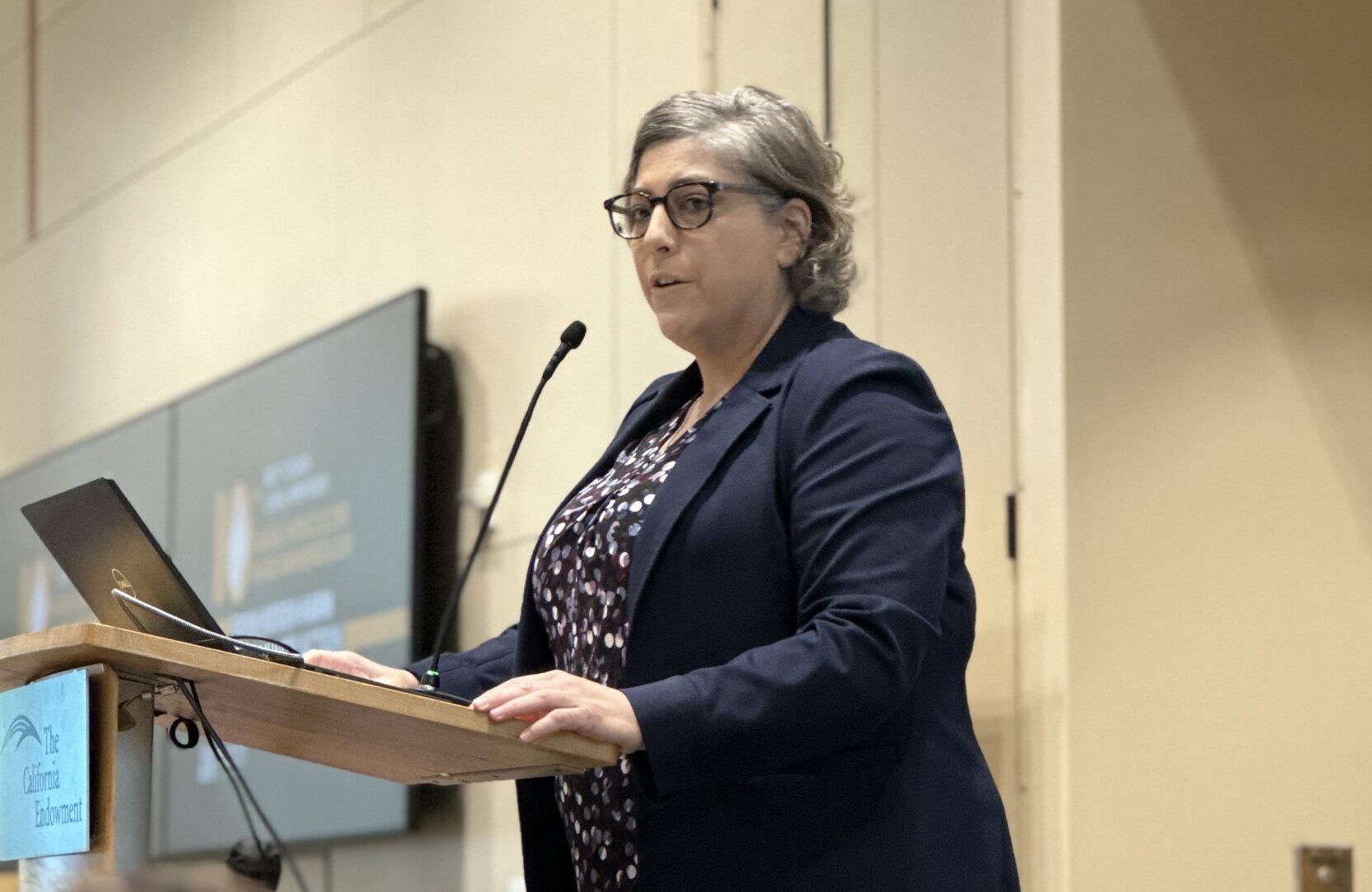
L.A. County Aging & Disabilities Department (AD) Director Maral Karaccusian opened the symposium with a call to recognize the often subtle signs of elder abuse.
“Abuse is not always present in obvious ways. Sometimes it looks like isolation. Sometimes it appears as a sudden change in someone’s behavior, finances, or living situation. Often what we observe is not a single incident, but a pattern that slowly unfolds over time,” Karaccusian said, drawing on her background as a social worker.
She emphasized that preventing abuse does not require specialized expertise, only awareness and a willingness to act.
“Each small act can make a meaningful difference,” Karaccusian said. “When communities unite with purpose and compassion, we can bring hidden struggles into the light and create safer, more supportive environments for every older and dependent adult.”
One of the symposium’s featured sessions, “Hidden Harm: Post-Disaster Recovery for Older Adults,” examined the lasting effects of the January 2025 wildfires, particularly the Eaton Fire in Altadena. The panel featured Rachel Tate, Vice President of Ombudsman Services for Wise & Healthy Aging; Peter Gee, Co-Executive Director of the Little Tokyo Service Center; and Aimee Williams, Associate Vice President for Justice for Tenants, Homeowners, and Unhoused Individuals at Bet Tzedek Legal Services.
Tate described the chaos surrounding evacuations, including residents becoming separated from their belongings and vulnerable older adults struggling to find safety.
“We were looking at multiple fires, and multiple components of fire. Escape routes that we thought we had, and plans that we thought we had were shot out of the water very quickly,” Tate recalled.
Gee focused on the long-term consequences of displacement.
“Survivors didn’t just lose their housing,” Gee said. “They lost decades of community connections, routines, and support systems.”
He noted that approximately 74 percent of rental units in the Eaton Fire burn area still showed no signs of recovery one year later, adding that many older adults experienced transfer trauma and increased isolation.
Williams emphasized that recovery is about more than rebuilding homes. It also means helping older adults regain a sense of stability, belonging, and control. The panelists agreed that long-term recovery must address emotional well-being alongside physical recovery.
Another session, “Missed Behavioral Health Needs,” explored the relationship between mental health, substance use, and elder abuse. Dr. Taya Varteresian, Supervising Mental Health Psychiatrist for the GENESIS Countywide Older Adult Program, and fellow panelists used case studies to illustrate the importance of multidisciplinary collaboration while respecting older adults’ autonomy.
“When I think about these cases, anything will be better than not doing anything,” Varteresian said. “Something small can make a big difference. Focus first on safety and immediate needs, then build the long-term plan.”
Throughout the symposium, speakers emphasized the importance of strengthening policies, improving coordination across systems, and expanding services that help protect older adults.
Among the resources highlighted by Karaccusian was AD’s Adult Protective Services (APS) program, whose social workers help older and dependent adults access the protection, information, and support they need.
Learn more about the work of APS social workers and their mission to investigate older and dependent adult abuse in all its forms through AD’s APS Stories from the Field video series.