- March 17, 2026
- AD Staff Writer
- News
Aging Well with Disabilities: The Importance of Support and Connection
The key to aging with a disability is staying positive and not attempting to navigate the journey alone.
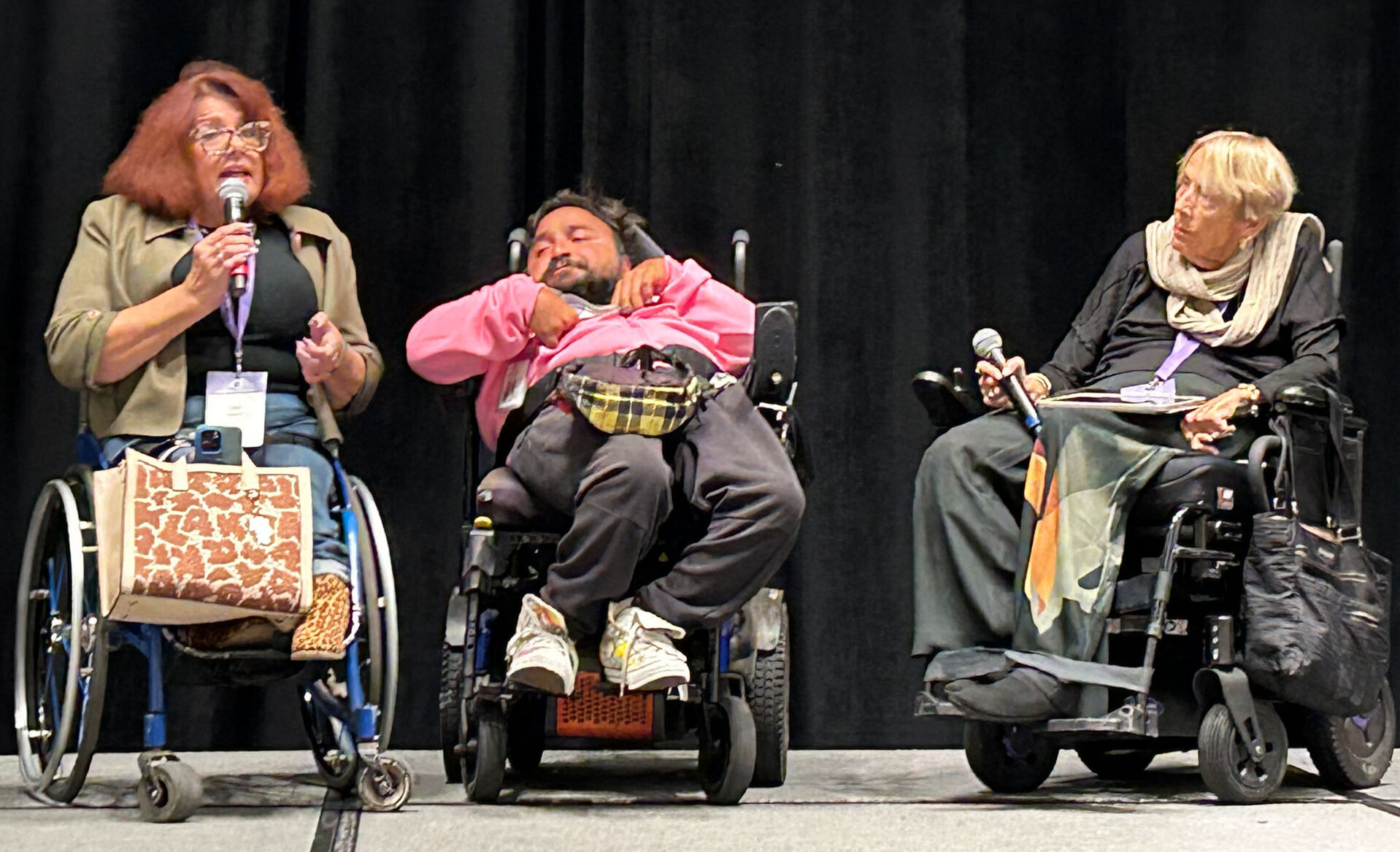
That was a central message shared by disability advocates and service providers during a November panel discussion, a “Fireside Chat,” at the California Association of Area Agencies on Aging (C4A) conference.
The discussion featured Janie Whiteford, executive director of the California In-Home Supportive Services (IHSS) Consumer Alliance; Lisa Hayes, executive director of the California Foundation for Independent Living Centers; and advocates Stanley James and Wayed Kabir. Debbie Toth, president and CEO of Choice in Aging, moderated the conversation.
Wayed Kabir, an author and motivational speaker, described himself as an “extremely positive” person, shaped by a lifetime of resilience. “I was born with cerebral palsy, and when I was born, I weighed two pounds, three ounces. It was clear I was in a fight for my life. I’ve been fighting ever since. That’s why I’m living with gratitude, thankful for every moment.”
Panelists consistently emphasized the importance of maintaining a positive outlook while also recognizing the value of support systems. Whiteford, whose disability resulted from a car crash 40 years ago, shared a similar perspective.
“I always believe my glass is half full. I continue to find things that I enjoy and give me a sense of worth, confidence and appreciation.”
For Stanley James, adapting to vision loss meant redefining his path while holding onto that same mindset.
“I had to stop working because I couldn’t see anymore, but I had to stay positive. That’s what life is all about, not giving up.”
Beyond mindset, panelists highlighted the critical role of support from both personal networks and community-based services. Kabir reflected on the importance of leaning on others during difficult moments. “That helped me realize that I’m not in it alone. I have a support team.”
Accessing resources is another key component of aging well. Hayes, who was born with Caudal Regression Syndrome, described how caring for her father deepened her understanding of available supports. Initially believing she could manage his care on her own, she quickly realized the value of outside assistance.
Through a local Center for Independent Living, Hayes was able to access the support her father needed.
“What I learned from that time with my dad was that independence isn’t about doing everything alone.”
However, awareness of these resources remains a challenge. Whiteford noted that many individuals are simply unaware of the services available in their communities.
“Whether it’s rural or urban, desert or mountain, they have resources. We are not advertising what we do well enough.”
The conversation also touched on broader opportunities to improve outreach. Toth suggested the need for more engaging public education efforts, drawing inspiration from familiar formats. “We need to do that with in-home community-based services and long-term support services. I’ve been wanting to birth a Schoolhouse Rock for aging and disabilities.”
Another barrier is reluctance to accept help. Whiteford encouraged individuals to remain open to support. “I’m always stunned when people say, ‘I don’t want anybody else in my house.’ I’m thinking, why not? They’re there to help me. Open your heart.”
Panelists also addressed communication and respect when interacting with people with disabilities. Hayes emphasized the importance of treating individuals with dignity and avoiding assumptions. “Just speak to me like a human being. You don’t need to raise your voice; you don’t need to talk down to me. You don’t need to go ‘Oh, that’s so inspirational.’ I don’t get up in the morning to inspire you—I get up, get dressed, and go to work like everyone else.”
She also noted that terms like “physically challenged” or “handicapable” are not universally preferred. Toth added that language is personal and should be guided by respect. “It’s really okay to ask how you can assist someone, how you can support them. Maybe they don’t want to accept your help. Respect the answer.”