- February 17, 2026
- AD Staff Writer
- News
AD Director Highlights Safety and Caregiver Support in National and Local Media
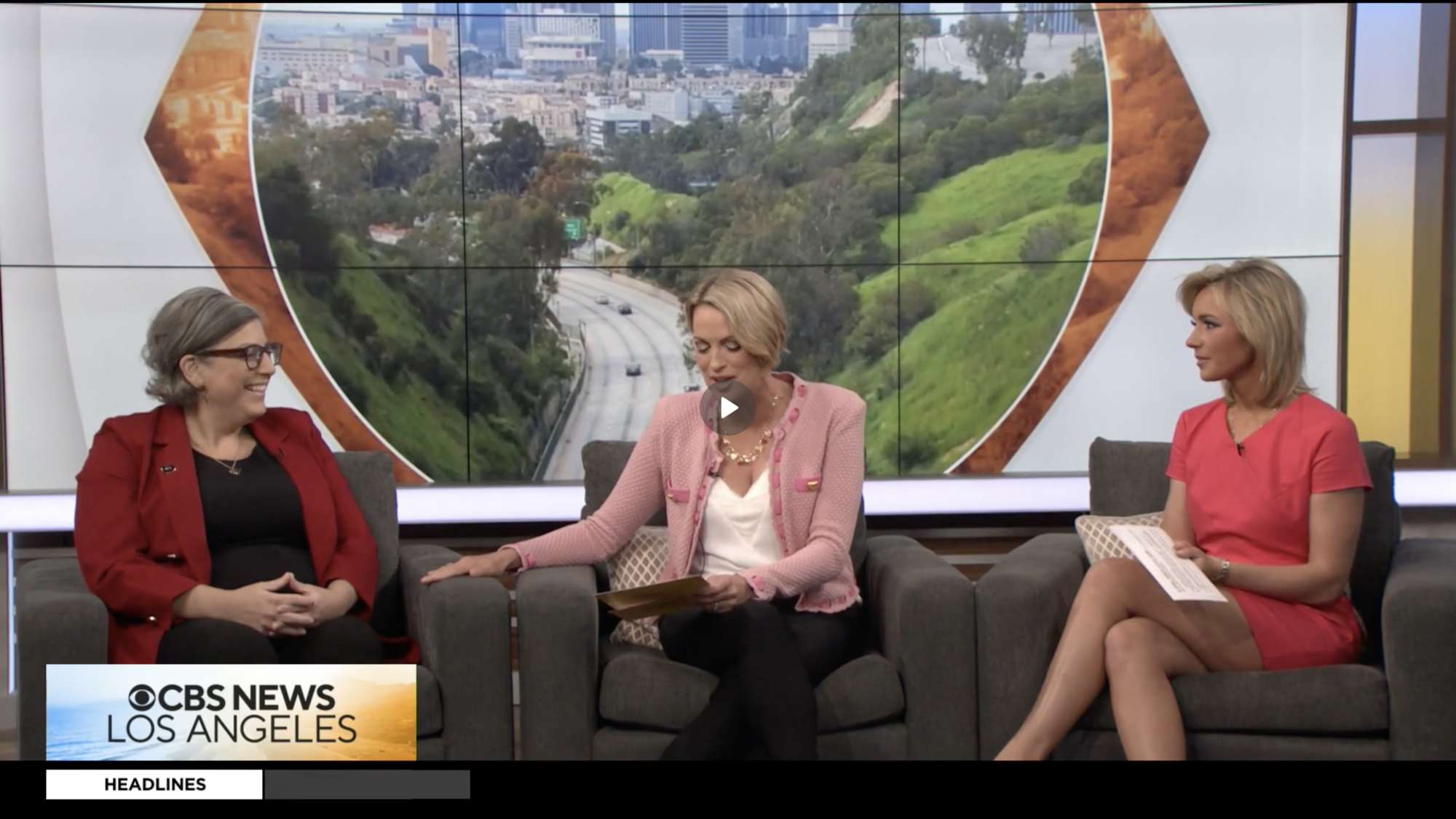
Following heightened concerns about older adults living alone amid the disappearance of Nancy Guthrie, Aging & Disabilities Department Director Maral Karaccusian has been speaking publicly about safety, isolation, and caregiver support. She joined CBS News L.A. on February 13, 2026, and was also quoted in HuffPost in an article by Monica Torres on the emotional toll of long-distance caregiving.
Across both interviews, Director Karaccusian emphasized that living alone does not mean living unsafe, but it does require planning. Nearly 27 percent of Americans age 60 and older live alone, many of whom value their independence. The key, she noted, is adding support before problems escalate.
In the Huffpost article, she addressed the guilt many caregivers feel during a crisis. “It’s much easier to have these conversations for planning when you know your loved one is healthy and with it,” she said, underscoring the importance of early, respectful discussions about care preferences.
Start with planning and conversation: Families are encouraged to talk early about safety and care goals. Legal protections such as an advance health care directive and durable power of attorney can help prevent difficult decisions later. If concerns arise about memory loss, confusion, or repeated falls, a medical evaluation and cognitive screening are important first steps.
Reduce risk at home: Simple home modifications can prevent falls, including removing loose rugs, improving lighting, installing grab bars, and securing medications. Medical alert systems, GPS watches, medication management tools, and stove shut-off devices can add another layer of protection while preserving independence.
Stay alert to fraud and abuse: Financial exploitation is one of the most common threats facing older adults. In L.A. County, tens of thousands of cases involving abuse of older adults are reported each year. Families should watch for warning signs such as unusual banking activity, pressure to share personal information, or sudden new “friends” offering financial help.
If abuse is suspected in L.A. County, contact Adult Protective Services (APS) 24/7 by calling 211 or 1-877-4R-SENIORS.
To help prevent fraud before it happens, the Aging & Disabilities Department, in partnership with the Department of Consumer and Business Affairs (DCBA) and Bet Tzedek Legal Services (bettzedek.org), hosts fraud prevention workshops at community and senior centers across L.A. County. These sessions help older adults and caregivers recognize common scams, protect financial information, and understand where to report concerns.
For a full schedule of scam prevention workshops, visit the Aging & Disabilities Department calendar of events or click on the links below. Upcoming workshops include:
March 6, 2026 at 12:30 p.m. – San Pedro Service Center
April 7, 2026 at 10:00 a.m. – East Rancho Dominguez Community Center
May 21, 2026 at 10:00 a.m. – East Los Angeles Service Center
June 4, 2026 at 10:00 a.m. – Los Nietos Senior Center
July 15, 2026 at 10:00 a.m. – Florence-Firestone Community Service Center
Safety also includes staying socially connected.
Address isolation: Loneliness is linked to heart disease, depression, and cognitive decline. Director Karaccusian stressed the importance of connection through community and senior centers, congregate meal programs, and regular check-ins from family and neighbors.
The Aging & Disabilities Department offers support through its Area Agency on Aging network, including caregiver support programs, case management, nutrition services, transportation assistance, and the L.A. Found program, which provides free tracking bracelets for individuals at risk of wandering.
The takeaway is simple: connect early and don’t wait until something goes wrong. Reaching out for support before a crisis gives families more options and helps older adults remain safe and independent.
View the CBS video interview here.